Early Orthodontic Intervention Lake Zurich
Timely Care for a Lifetime of Healthy Smiles
Did you know that the American Association of Orthodontists recommends that all children undergo an orthodontic evaluation by age 7? While that might seem quite young, there is actually good reason behind this advice. When developmental issues are caught at the right time, they frequently require less extensive care than they would if treatment were delayed. That is why our Lake Zurich team is proud to offer early orthodontic intervention for young smiles in our community. Contact us today to set up an appointment for your child.
Why Choose G&G Pediatric Dentistry & Orthodontics for Early Orthodontic Intervention?
- Highly Skilled On-Staff Orthodontist
- Caring Team & a Welcoming Environment
- Multiple Financial Options Available
How Early Orthodontic Intervention Works
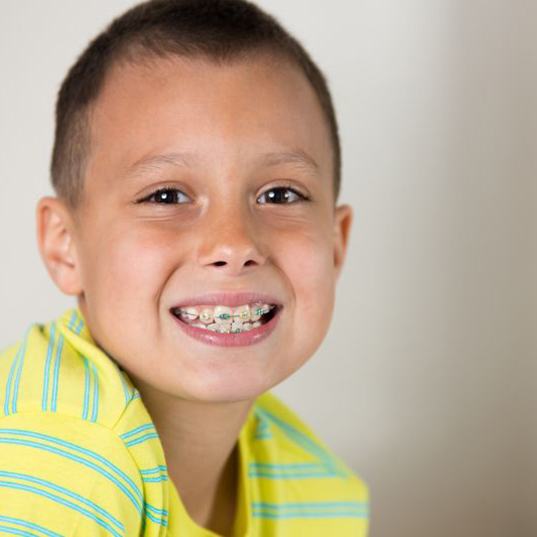
Early orthodontic intervention is often called “phase 1 orthodontics.” These terms mean essentially the same thing; they refer to orthodontic care that occurs around the time a child is starting to lose their baby teeth. This usually happens between the ages of 6 and 9. The goal is to guide development of key oral structures so the jaws and adult teeth can grow in a way that supports optimum function and aesthetics.
Early orthodontic intervention may involve the limited use of braces, but it could also require other gear, such as:
- Headgear to adjust jaw alignment
- A Herbst appliance or other devices that focus on properly aligning the bite
- Palatal expanders to create more space in the upper dental arch
- Space maintainers to maintain an open space for an incoming adult tooth where a baby tooth was lost prematurely
- Other appliances as needed
Who Is a Good Candidate for Early Orthodontic Intervention?
When you bring your child to us for their orthodontic evaluation, we will let you know if they need treatment. While all kids should undergo this assessment, it is especially important that you book an appointment for your child if they are exhibiting signs of an orthodontic problem, such as:
- Visibly misaligned teeth, which may include crowding, overlapping, crooked teeth, or large gaps between teeth
- Bite problems, such as an underbite or overbite
- Functional issues that may be related to dental misalignment, such as snoring, difficulty chewing, speech challenges, or prolonged use of a pacifier
The Benefits of Early Orthodontic Intervention
Early orthodontic intervention has the potential to deliver some valuable benefits:
- Reduced need for orthodontic care in the future: In some cases, early intervention can eliminate the need for braces when a child reaches adolescence or adulthood. In other cases, this treatment makes additional orthodontic care easier and less extensive.
- Improved function and appearance: Your child may breathe, speak, and eat more easily as a result of treatment. They may also be at a reduced risk of dental problems like cavities.
- The potential to avoid surgery: Guiding the jaw’s development during childhood might eliminate the need for corrective surgery in the future.
Early Orthodontic Intervention FAQs
Does Early Orthodontic Intervention Affect Diet & Nutrition?
The foods your child can enjoy during early orthodontic intervention, or “phase 1 orthodontics”, might depend on the type of appliance they’re wearing. Palate expanders and certain types of braces can be damaged by hard or chewy foods, so your child may need to temporarily avoid things like raw vegetables, nuts, and steak. Softer options, including bread, tender meats, dairy products, and cooked vegetables, can help protect the appliance through the treatment. If your child has a removable appliance, however, mealtimes are usually much easier since they can take the appliance out before eating and may have fewer dietary restrictions.
Is Early Orthodontic Intervention Painful?
Getting an oral appliance shouldn’t be a painful experience for your child. Our team will take steps to keep them comfortable during the appointment, although they may notice some mild soreness or pressure once the appliance is in place. This temporary discomfort typically improves as your child gets used to the appliance and can often be managed with cold compresses and over-the-counter or prescribed medication when recommended. This treatment can also help address developing bite concerns before they become more difficult to manage, potentially preventing problems with chewing and other oral functions as your child grows.
When Does Early Orthodontic Intervention Take Place?
Early orthodontic intervention, sometimes called “interceptive orthodontics” or “phase 1 orthodontics”, is generally considered while children are between 6 and 9 years old. This is an important stage of dental development because baby teeth are naturally being replaced by permanent teeth. By monitoring your child’s teeth and jaw as these changes occur, our team can identify concerns with tooth positioning or jaw growth while they’re still developing. The first permanent molars also usually appear around age 6 or 7, giving us a better understanding of how your child’s bite may develop and whether early treatment could be beneficial.
What Appliances Are Used in Early Orthodontic Intervention?
Early orthodontic intervention uses simple appliances to help guide your child’s teeth and jaw as they grow. The appliance your child needs will depend on how their smile is developing. A palate expander can help make more room when the upper jaw is too narrow, or the teeth are crowded. If a baby tooth is lost too early, a space maintainer can keep that area open so the permanent tooth has room to come in. Some children may also need limited braces to help move certain teeth into better positions while the rest of their smile continues to develop. Our team will check your child’s teeth and jaw and recommend the appliance that best fits their needs.