Traditional Braces – Lake Zurich, IL
The Tried-and-True Solution for Straightening Smiles
Many patients view dental misalignment as more of a frustration than an actual oral issue. However, crooked, gapped, or overcrowded teeth are harder to clean, which increases the risk of dental problems such as cavities, gum disease, and injuries. Furthermore, a malocclusion might contribute to additional concerns, such as TMJ (temporomandibular joint) pain.
Fortunately, at our Lake Zurich office, Dr. Nicole is a board-certified orthodontist who is happy to help treat you or your child’s condition with traditional braces, the tried-and-true solution for straightening smiles. Continue reading to learn more about this standard solution!
Why Choose G&G Pediatric Dentistry and Orthodontics for Traditional Braces?
- Orthodontic Patients of All Ages Welcome
- Member of the American Association of Orthodontists
- Advanced Technology for Enhanced Accuracy
How Do Traditional Braces Work?
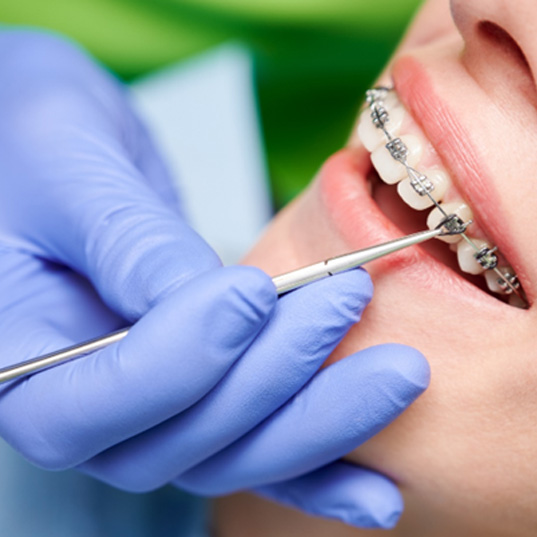
This service utilizes metal brackets, which are bonded to the front surfaces of your enamel throughout your treatment. These are threaded with an arch wire that Dr. Nicole can adjust to manipulate the movement of your teeth.
Typically, it takes about 18 to 36 months to complete this service, though your treatment timeline depends significantly on your unique circumstances. You’ll also need to schedule follow-up visits every 4 to 8 weeks so we can monitor your progress and adjust the arch wire tension as needed.
What Orthodontic Issues Can Braces Fix?
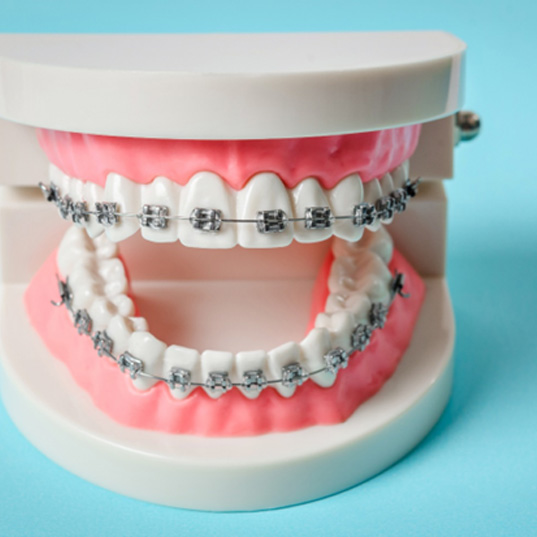
Standard braces are the traditional method of addressing everything from mild cases to more severe misalignments, but that doesn’t necessarily mean it’s the ideal solution to meet everyone’s unique needs. You’ll need to consult Dr. Nicole for an examination and discussion so she can verify whether you’re a good candidate. Our team might recommend traditional orthodontics to treat the following concerns:
Bite Misalignment
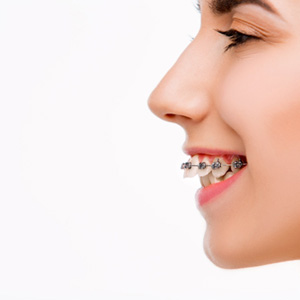
If your upper and lower arches don’t touch together correctly when you bite down, then you may have developed a malocclusion that can potentially contribute to jaw aches and stiffness or challenges eating and speaking normally. You might also prematurely wear down your enamel and damage your teeth.
Dr. Nicole can use traditional braces to address overbites, underbites, crossbites, or other bite issues that might otherwise affect your dental health or self-esteem.
Crowded & Crooked Teeth
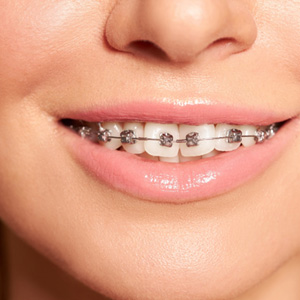
If your teeth are crowded or overlap, you may struggle to brush and floss thoroughly enough to prevent common oral problems, such as periodontal disease or enamel erosion. Braces apply consistent pressure to move your teeth into their ideal positions, helping preserve your dental health and boost your confidence in your appearance.
Gapped Teeth
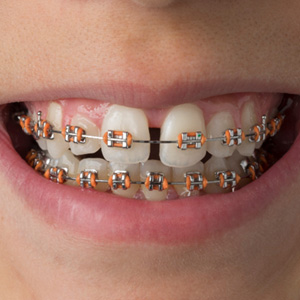
Wider spaces in your smile can easily trap leftover pieces of food or other debris, which attract harmful bacteria that can impact your dental health. Not only that, but overly exposed connective tissues are prone to sustaining cuts or other injuries that can potentially become infected.
Traditional braces can close the spaces in your smile to improve your aesthetics while preventing potential problems.
Caring for Your Braces

Although traditional orthodontics are durable, they can be damaged or dislodged if you don’t take the proper precautions. Following our team’s instructions can help ensure the brackets and wires remain on track with the anticipated treatment timeline.
For example, you should continue brushing and flossing twice daily, but might need to purchase special interproximal brushes, floss threaders, or an oral irrigator to reach around your braces. You should also plan to minimize consumption of sticky, hard, crunchy, or overly sugary foods that could damage the brittle metal components or contribute to other oral issues.
Finally, we’ll schedule routine check-ins with Dr. Nicole to monitor your progress, evaluate your smile for oral health concerns, and update your treatment plan if necessary.
Traditional Braces FAQs
Do Traditional Braces Hurt?
It is common for patients to experience some soreness and pressure as their teeth move into their ideal places. However, you shouldn’t let that stop you from pursuing your dream smile. After all, there are several steps you can take to alleviate any discomfort that arises, including placing a cold compress against the outside of your cheek, using dental wax to cover any sharp edges of your brackets and wires, and taking OTC pain medication as directed.
Am I Too Old to Get Braces?
All too often, people in their 30s, 40s, and 50s assume that the ship has sailed on having a straight smile because they are “too old” for braces. That’s simply not the case! Candidacy is instead determined by factors like how severe the patient’s misalignment is. All that to say, if you want to address overcrowding or spacing issues, don’t hesitate to schedule a consultation with us so we can determine if traditional braces are right for you.
What Can You Not Eat with Traditional Braces?
Although the brackets and wires are durable, they can break with enough pressure. That’s why patients are instructed to eliminate certain foods from their diet, like tortilla chips, peanut brittle, and hard pretzels. The good news is that there are far more foods that you can eat, including mashed potatoes, cooked pasta, cottage cheese, and plain yogurt.
What Happens After You Get Your Braces Off?
After we remove your braces, we transition our focus to the next step of the process: the retention phase. This is crucial because upwards of 50% of patients experience orthodontic relapse, which is when teeth gradually drift out of place again. To prevent that from happening, Dr. Nicole will have a custom retainer made from impressions of your teeth.
How Can I Reduce the Cost of Traditional Braces?
Many patients are surprised to hear this, but there are some dental plans that include orthodontic benefits. So, if you are insured and are interested in straightening your teeth, you should read through the fine print on yours! You can also review the other financial solutions that are available at our office, including our in-house discount plan and special offers.
How Long Do Traditional Braces Take?
Traditional braces in Lake Zurich often take between 2-3 years. That said, your orthodontic treatment may fall outside of that time frame. For example, if you want to fix a relatively small gap between your two front teeth, then you may achieve the desired results in just 12 months. The good news is that we will be able to provide you with an estimate of your teeth-straightening journey once we’ve created your custom treatment plan. We’ll also share what you can do to avoid lengthy treatment plan delays, like abiding by the dietary restrictions and prioritizing your monthly adjustment appointments.